An asphalt-shingle roof is a substantial investment, so homeowners naturally want to know how long it should last.
As a general industry reference, asphalt-shingle roofs are often described as lasting approximately 20 to 30 years. However, that range is not a guarantee. The actual service life of a roof depends on the selected shingle, roof design, installation quality, ventilation, maintenance and exposure to heat, hail, wind and other weather conditions.
Central Texas roofs operate in a demanding environment. Extended sunlight, high summer temperatures, sudden storms, hail and strong winds may cause roofing materials to age differently from the same products installed in a milder climate.
A roof should therefore be evaluated based on its current condition, roofing system and performance, not its age alone.
What Is the Typical Lifespan of an Asphalt-Shingle Roof?
A properly selected and installed architectural asphalt-shingle roof may provide many years of dependable residential service. As a broad reference, GAF’s residential roofing guidance states that asphalt shingles generally last around 20 to 30 years while noting that material, weather, installation and maintenance all influence the result.
That range should be treated as a general planning reference rather than a promise for every property.
One roof may remain serviceable beyond the general range, while another may require replacement sooner because of:
- Severe hail or wind exposure
- Prolonged heat and UV exposure
- Inadequate attic ventilation
- Installation problems
- Roof-design complexity
- Moisture intrusion
- Damaged flashing or penetrations
- Product-specific performance
- Previous storm damage
- Lack of maintenance
Homeowners should also distinguish between a manufacturer’s warranty period and the roof’s actual service life. Warranty terms vary by manufacturer and product, and coverage may contain limitations, exclusions and installation requirements. A “limited lifetime” warranty does not automatically mean the roof will perform indefinitely or that every type of deterioration or storm damage is covered.
Why Central Texas Conditions Matter
The service life of asphalt shingles is affected by the environment in which the complete roofing system operates.
Homes throughout Austin, Round Rock, Cedar Park, Georgetown, Leander, Pflugerville, Buda, Kyle and nearby Central Texas communities experience a combination of conditions that can influence roof performance.
Intense Heat and Sunlight
Asphalt shingles absorb solar energy throughout the day. During the hottest parts of the year, repeated heating and cooling cycles may contribute to the gradual aging of roofing materials.
Long-term UV exposure can also affect the asphalt components within shingles. Over time, shingles may become less flexible and more vulnerable to cracking, lifting or granule loss.
A darker roof surface, limited shade and roof slopes receiving extended afternoon sunlight may experience different temperatures from other areas of the same roof.
Hail Exposure
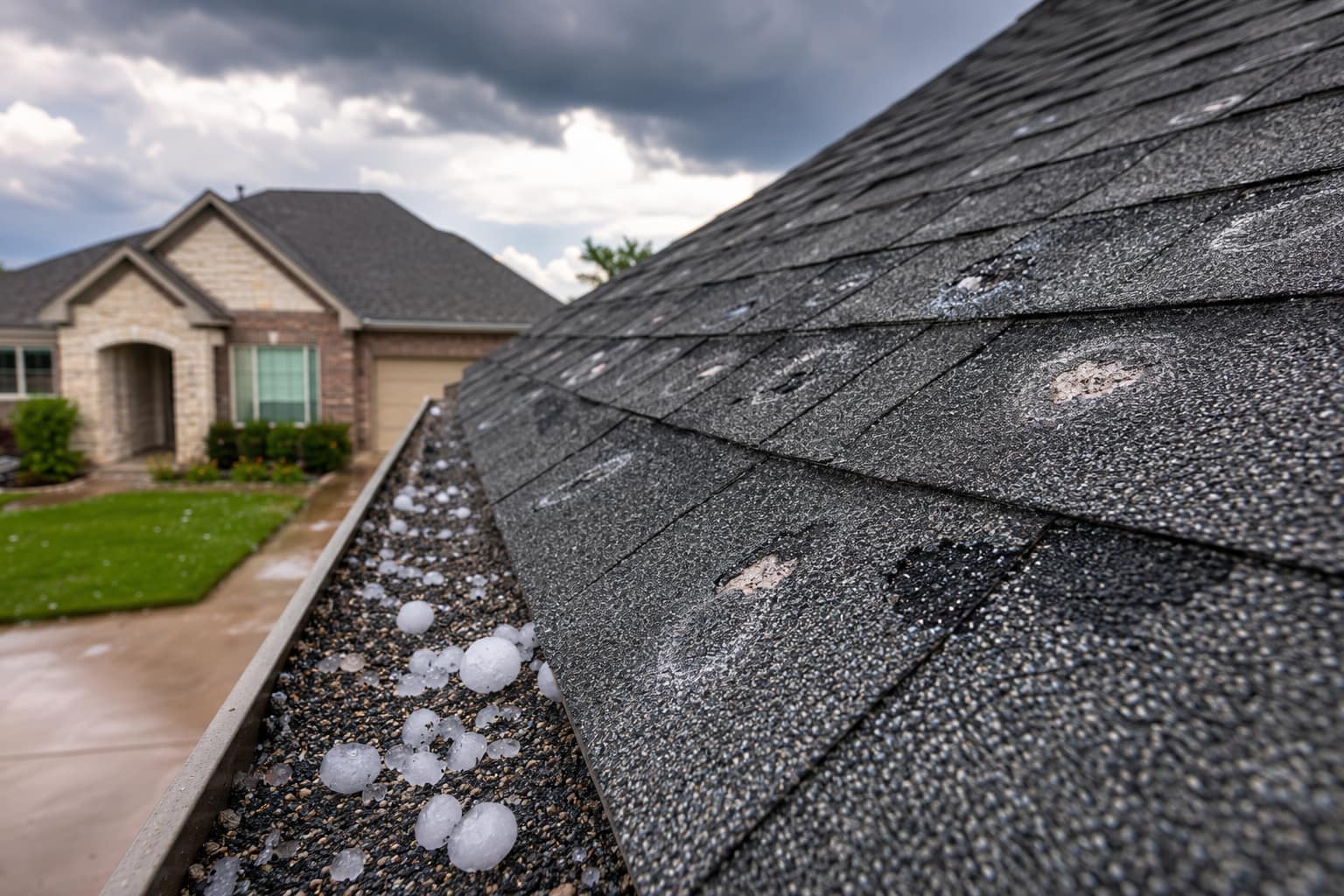
Hail may damage asphalt shingles by affecting their protective granules or underlying structure. The extent of the damage depends on hail size, density, wind speed, roof angle, shingle condition and the specific product installed.
Some manufacturers offer shingles with tested impact-resistance classifications. However, no asphalt shingle should be described as hail-proof.
The Insurance Institute for Business & Home Safety independently evaluates impact-resistant shingles because products with the same general classification may not perform identically under simulated hail conditions.
If widespread storm damage has affected your roofing system, review Ironhouse Roofing’s storm-damage roof replacement process.
Strong Winds and Fast-Moving Storms
Wind can place pressure on shingle edges, ridges, corners and other vulnerable areas. Shingles that are already aged, improperly sealed or previously damaged may be more likely to lift, crease or detach during a storm.
The wind rating displayed for a roofing product depends on specific testing and installation requirements. It should not be interpreted as a guarantee that the roof cannot sustain wind damage.
Heavy Rainfall
Asphalt shingles form part of a complete water-shedding roofing system. Underlayment, flashing, roof penetrations, valleys, drainage and decking conditions all influence how effectively that system manages rainfall.
Water stains or active leaks may originate from several different roofing conditions. Their presence does not automatically establish that the entire roof requires replacement, but they should not be ignored.
How Ventilation Affects Asphalt-Shingle Performance
Attic ventilation is an important part of the complete roofing system.
According to the Asphalt Roofing Manufacturers Association’s ventilation guidance, proper ventilation can help maximize the service life of roof-assembly materials. ARMA also explains that summer heat buildup can accelerate the aging of asphalt roofing products.
A properly designed ventilation system generally uses appropriately placed intake and exhaust ventilation to move air through the attic space.
Ventilation requirements depend on factors including:
- Attic size and construction
- Roof design
- Location and type of vents
- Available intake and exhaust airflow
- Insulation placement
- Manufacturer instructions
- Applicable building requirements
More ventilation is not automatically better. Improper combinations or blocked airflow can prevent the system from working as intended.
When planning a complete asphalt-shingle roof replacement, homeowners should review the entire roofing assembly rather than focusing only on the visible shingles.
Does the Type of Asphalt Shingle Affect Lifespan?
Not all asphalt shingles have the same construction, ratings or intended performance.
Traditional three-tab shingles generally have a flatter appearance, while architectural shingles are designed with a more dimensional profile. Product specifications vary by manufacturer and product line.
When comparing architectural asphalt shingles, consider:
- Manufacturer and product line
- Wind rating
- Impact-resistance classification
- Algae-resistance features
- Available colors
- Underlayment requirements
- Starter shingles
- Ridge-cap shingles
- Flashing and ventilation
- Installation requirements
- Manufacturer warranty
- Complete roof replacement price
A higher price alone does not establish that a shingle is appropriate for every home. The selected product must suit the roof design, project requirements, budget and homeowner’s long-term plans.
Review the manufacturer’s current written product specifications and warranty documentation before selecting a roofing system.
Why Installation Quality Matters
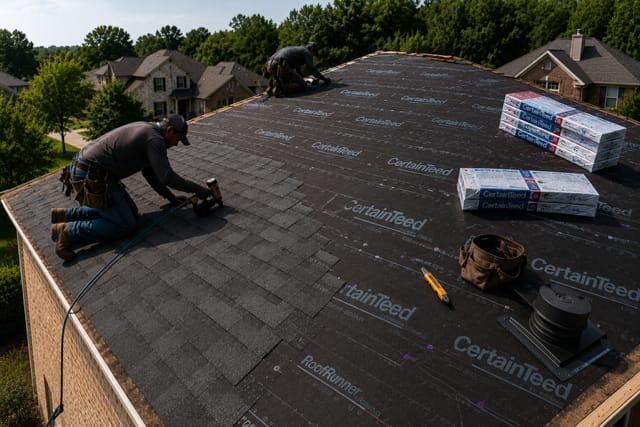
Even a well-rated roofing product must be installed according to the applicable manufacturer instructions and approved project scope.
Installation details that may affect performance include:
- Preparation of the roof deck
- Placement and type of underlayment
- Starter-shingle installation
- Fastener placement
- Flashing installation
- Valley construction
- Ridge-cap installation
- Pipe boots and roof penetrations
- Ventilation components
- Manufacturer-specified accessories
Some roof-decking conditions remain concealed until the existing roofing materials are removed. If damaged decking is discovered after tear-off, the condition should be documented and the required work explained before proceeding.
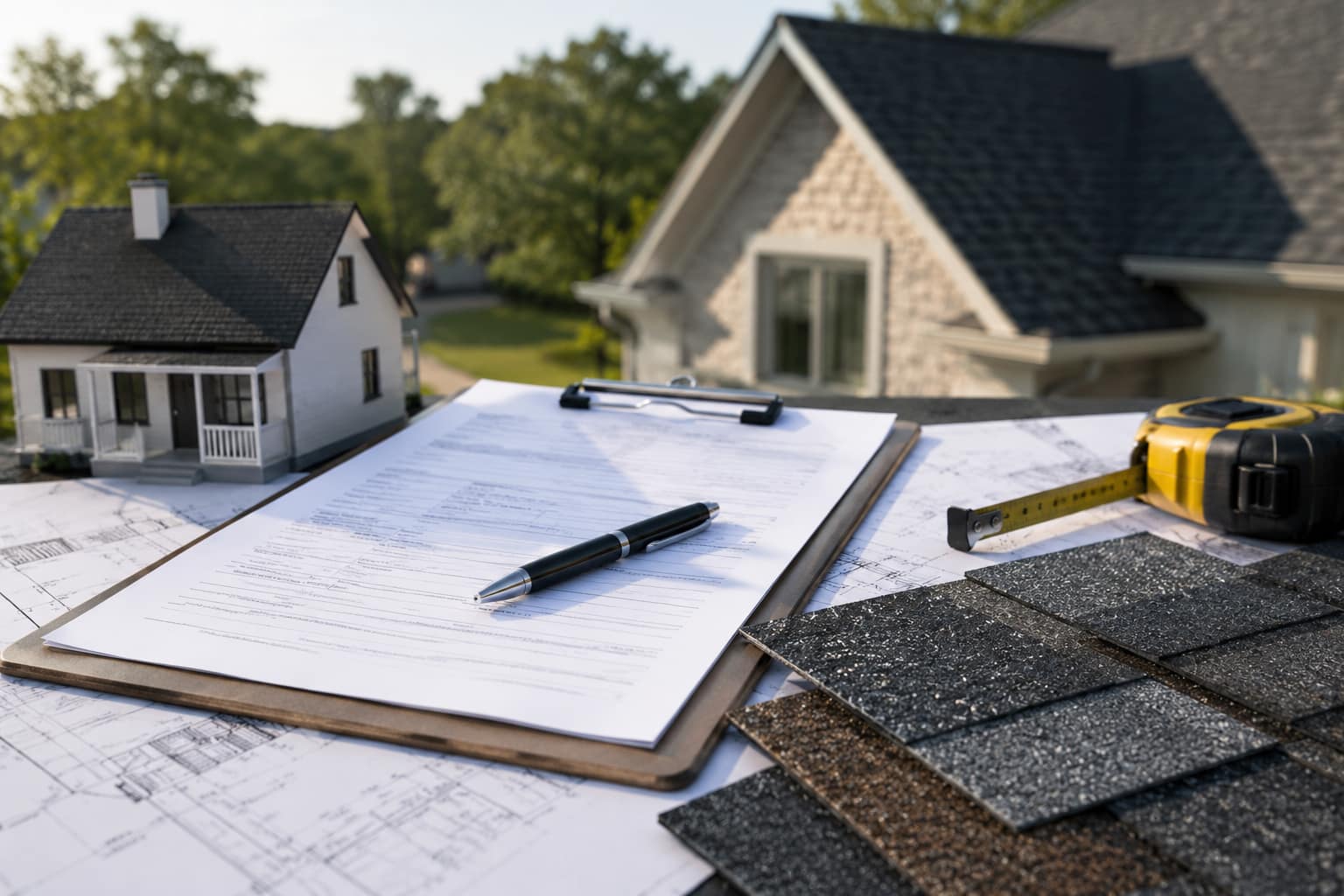
A roof replacement proposal should identify the selected materials, included components, exclusions, warranties, installation requirements and project price.
Signs an Asphalt-Shingle Roof May Be Approaching Replacement
Roof age can provide useful background, but visible conditions and overall performance usually provide better information.
Conditions that may lead a homeowner to consider complete replacement include:
- Missing, lifted or creased shingles
- Cracked or visibly deteriorated roofing materials
- Widespread loss of protective granules
- Exposed underlayment
- Widespread hail-impact marks
- Damaged flashing or roof penetrations
- Water stains on ceilings or attic surfaces
- Repeated moisture intrusion
- Areas of visibly deteriorated roofing
- A roof approaching the end of its expected service life
An isolated condition does not automatically mean that every roof requires immediate replacement. However, widespread deterioration, recurring problems or extensive storm damage may indicate that replacement should be evaluated.
Ironhouse Roofing focuses on complete residential roof replacement rather than general roof repairs.
Can Storm Damage Shorten a Roof’s Service Life?
Yes. A significant weather event can affect a roof even when the roofing system has not reached its expected age.
Hail may dislodge protective granules or damage the shingle structure. Strong winds may lift, crease or remove shingles. Wind-driven rain may expose weaknesses around flashing, penetrations, valleys or damaged roofing materials.
Some storm-related conditions may not be obvious from ground level. Homeowners should also avoid walking on the roof, as doing so can create a safety risk and may cause additional damage.
If you plan to file an insurance claim, the Texas Department of Insurance’s hail-claim guidance recommends documenting damage, protecting the property from further loss and understanding the applicable policy requirements.
Ironhouse Roofing can review the roofing measurements and replacement scope shown in an insurance estimate and compare them with the roofing work it proposes. Ironhouse Roofing does not interpret insurance policies, determine coverage or negotiate claim decisions.
Should You Replace an Older Roof Before It Leaks?
A homeowner does not always need to wait for an active leak before considering replacement.
Water intrusion may begin after roofing materials, flashing or other components have already deteriorated. In some cases, moisture can affect insulation, decking or interior surfaces before the problem becomes visible inside the home.
When evaluating an older roof, consider:
- Current roof age
- Visible material deterioration
- Previous hail or wind exposure
- History of leaks or moisture intrusion
- Condition of flashing and penetrations
- Manufacturer information
- Planned length of ownership
- Cost of the selected replacement system
- Whether the roof has widespread rather than isolated problems
The appropriate decision depends on the property and current roofing conditions. Roof age alone should not be used to guarantee that immediate replacement is or is not required.
Asphalt Shingles vs. Standing-Seam Metal Roofing
Homeowners planning a complete roof replacement may want to compare architectural asphalt shingles with residential standing-seam metal roofing.
Architectural asphalt shingles generally offer a lower initial project cost and a familiar residential appearance.
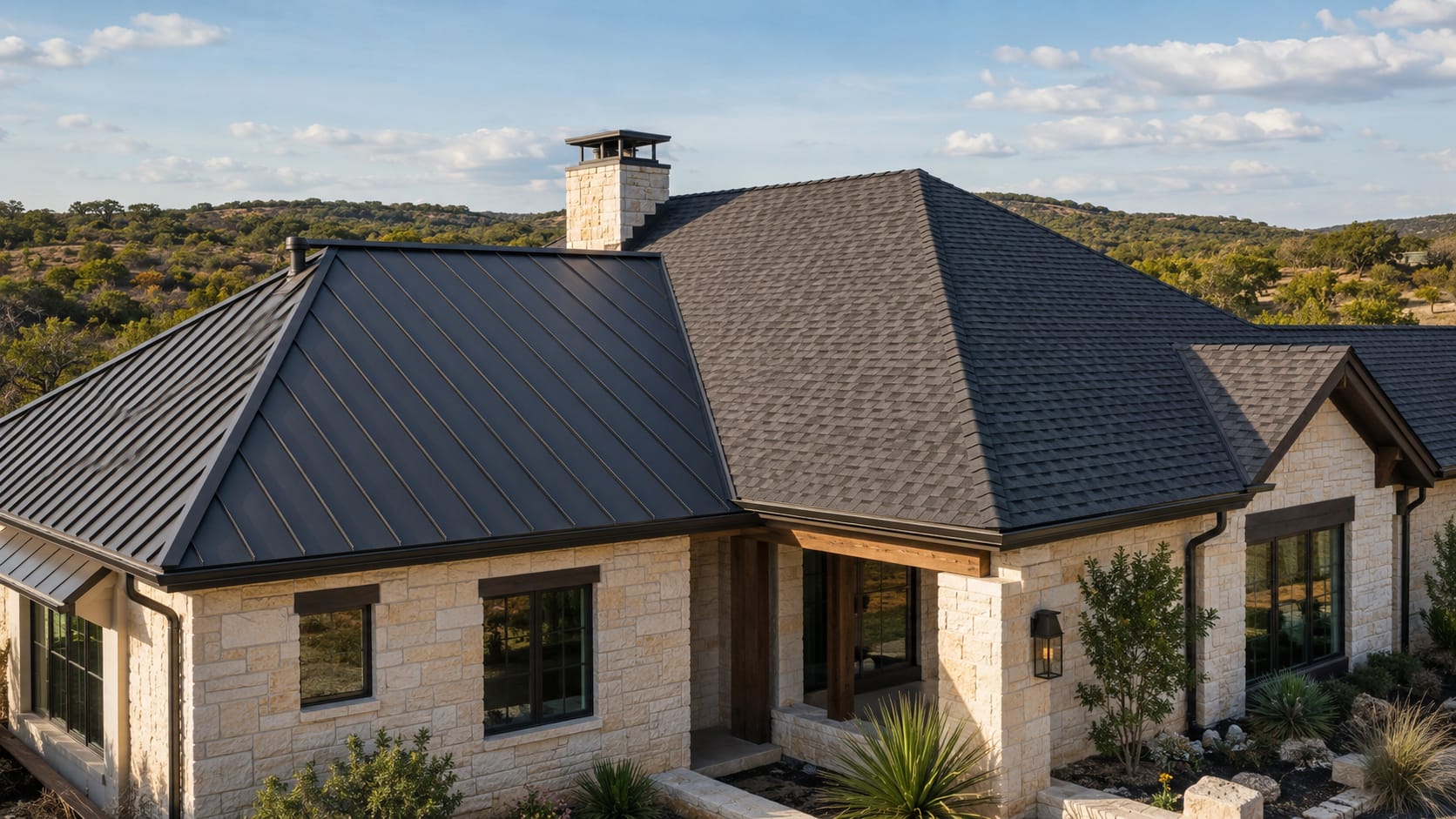
Standing-seam metal roofing generally requires a higher initial investment but provides a different long-term roofing system with raised seams and concealed fasteners. Homeowners can review galvalume and available standard-color finishes.
The appropriate choice depends on:
- Roof design
- Initial project budget
- Preferred appearance
- Selected product specifications
- Installation requirements
- Maintenance expectations
- Long-term plans for the property
Learn more about standing-seam metal roofing in Austin and Central Texas before comparing the two roofing systems.
Frequently Asked Questions
Can an asphalt-shingle roof last 30 years in Texas?
It may, but a 30-year service life cannot be guaranteed for every property. Product selection, installation, ventilation, roof design, maintenance and weather exposure all influence how long an asphalt-shingle roof performs.
Does Texas heat shorten shingle life?
Prolonged heat and UV exposure can contribute to the aging of asphalt roofing materials. Attic ventilation, insulation, roof orientation, shingle color and complete roofing-system design may also influence heat buildup and performance.
Does a manufacturer warranty equal the roof’s expected lifespan?
No. A warranty is a written agreement with specific coverage periods, requirements, limitations and exclusions. It does not guarantee that every component of the roof will remain unaffected by aging, installation conditions or severe weather.
Are architectural shingles better than three-tab shingles?
Architectural shingles generally provide a more dimensional appearance than traditional three-tab shingles. Construction, ratings, installation requirements and warranty options vary by manufacturer and product line.
Can hail damage a new asphalt-shingle roof?
Yes. No asphalt-shingle roof is immune to every type of hail or storm damage. The outcome depends on the selected product, hail characteristics, roof design, installation and severity of the weather event.
How do I know whether my asphalt-shingle roof needs replacement?
Consider the roof’s age, material condition, storm history, leaks, granule loss, missing shingles, flashing condition and extent of deterioration.
An isolated issue does not automatically establish that complete replacement is required. Widespread damage or deterioration should be evaluated in the context of the complete roofing system.
Can I see my asphalt-shingle roof replacement price online?
Yes. Ironhouse Roofing uses professional aerial roof measurements, property data, your selected asphalt-shingle system, current Central Texas pricing and the disclosed project scope to calculate your roof replacement price online.
See Your Asphalt-Shingle Roof Replacement Price
The lifespan of an asphalt-shingle roof in Central Texas depends on much more than its age.
If you are planning a complete roof replacement, enter your property information to review available architectural asphalt-shingle systems and see your replacement price online.
You can review the roofing system, project information and price without first scheduling an in-home sales appointment.