Receiving multiple roof replacement quotes can feel overwhelming. One contractor may quote $11,000, another $15,000, while a third comes in at $19,000 for what appears to be the same project.
So, why such a significant difference?
The answer is simple: not every roofing quote includes the same scope of work.
Some contractors provide a complete proposal covering materials, tear-off, ventilation, flashing, cleanup, and warranties. Others may leave out critical details that only become apparent once the project is underway, leading to unexpected costs and frustration.
That’s why comparing quotes based solely on the final price can be misleading.
Instead, homeowners should compare what is actually included in each proposal before making a decision.
At Ironhouse Roofing, we believe homeowners deserve transparent pricing and clearly written proposals that explain exactly what they’re paying for. Whether you’re replacing an aging roof or recovering from storm damage, understanding your estimate helps you make an informed decision without unnecessary surprises.
Need help comparing roofing estimates? Explore our Compare Roof Quotes guide or start with an online roof quote to understand your options before scheduling an in-home consultation.
Why Roofing Quotes Vary So Much
Many homeowners assume that all roofing contractors are pricing the exact same project.
In reality, two estimates may include completely different materials, installation methods, warranties, and preparation work.
One contractor may include:
- Complete tear-off
- Premium architectural shingles
- Synthetic underlayment
- New flashing
- Ridge ventilation improvements
- Property protection
- Magnetic nail cleanup
- Manufacturer warranty
- Workmanship warranty
Another contractor may simply list “replace roof” with very little explanation.
The lower quote isn’t necessarily a better deal, it may simply exclude important parts of the roofing system.
The National Roofing Contractors Association (NRCA) recommends reviewing the complete scope of work, materials, warranties, and installation details before selecting a contractor rather than comparing prices alone.
1. Roof Measurements Should Be Clearly Explained
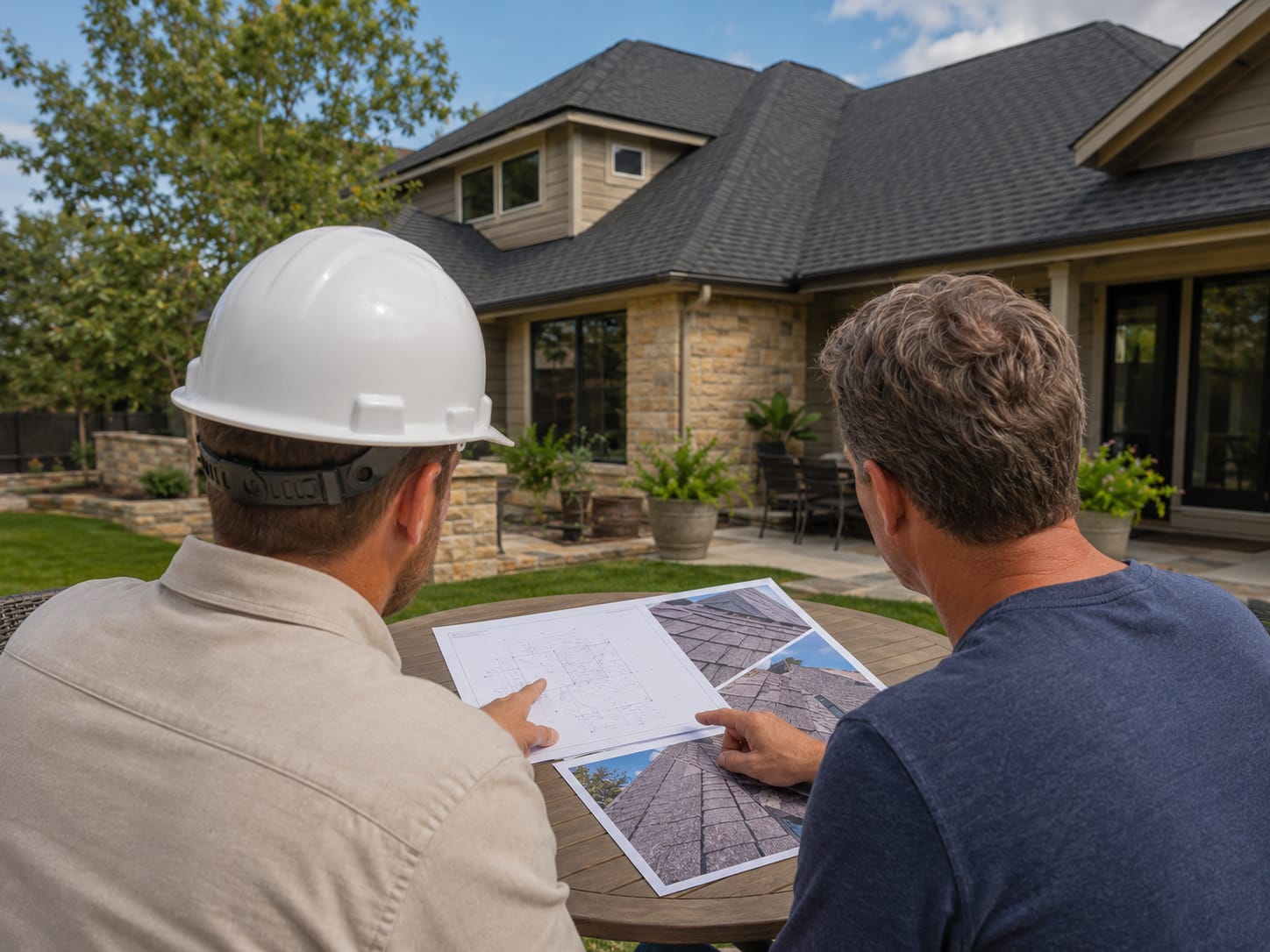
Every roofing proposal should begin with accurate measurements.
Roofing contractors measure roofs in squares, with one roofing square equal to 100 square feet of roof surface.
However, homeowners should understand that roof measurements are rarely the same as the home’s listed floor area.
For example:
A 2,000-square-foot home may actually have a 2,500-square-foot roof because of:
- Roof pitch
- Garages
- Covered patios
- Dormers
- Valleys
- Overhangs
- Multiple roof elevations
The proposal should explain how the roof was measured and how much roofing material will be required.
Ironhouse Roofing uses advanced aerial measurement technology to generate accurate online roof quotes without requiring homeowners to begin with a lengthy in-home sales presentation.
2. The Roofing Material Should Be Specifically Listed
One of the biggest mistakes homeowners make is assuming every contractor is installing the same roofing product.
Your proposal should clearly identify:
- Manufacturer
- Product line
- Color
- Warranty
- Impact rating (if applicable)
Simply stating “architectural shingles” isn’t enough.
Instead, your estimate should specify the exact roofing system being installed.
If you’re considering metal roofing, the proposal should also explain whether you’re receiving:
- Standing seam metal roofing
- Another residential metal roofing profile
Without these details, it’s impossible to accurately compare two estimates.
Learn more about our:
For homeowners researching roofing materials, the GAF Residential Roofing Guide provides a helpful overview of modern asphalt roofing systems.
3. Tear-Off and Disposal Should Be Included
A complete roof replacement usually involves removing the existing roofing system before installing new materials.
Your roofing estimate should explain:
- How many layers will be removed
- Whether disposal is included
- Dumpster costs
- Hauling fees
- Site cleanup
Some lower-priced estimates assume only one roofing layer exists.
If additional layers are discovered after work begins, the homeowner may face additional charges.
A transparent proposal explains these possibilities before the project starts.
4. Roof Deck Repairs
One of the few costs that cannot always be determined before construction begins is roof decking.
Once old shingles are removed, the contractor can inspect the wood decking underneath.
Occasionally, moisture damage or deterioration requires replacement.
Your roofing estimate should explain:
- Whether decking replacement is included
- Cost per sheet if repairs are required
- How additional work will be approved
Homeowners should never be surprised by unexpected repair charges.
Professional contractors discuss these possibilities during the estimating process.
5. Underlayment Is More Important Than Most Homeowners Realize
Although shingles receive most of the attention, the underlayment plays an equally important role in protecting your home.
Modern roofing systems often include:
- Synthetic underlayment
- Ice and water protection where appropriate
- Starter shingles
- Ridge cap shingles
- Moisture barriers
These materials help protect the roof if shingles are damaged or extreme weather occurs.
When comparing estimates, verify that both contractors are installing comparable underlayment systems—not simply the same visible roofing material.
The CertainTeed Roofing Learning Center provides additional information about roofing system components and how they work together.
6. Flashing Should Never Be Overlooked
Flashing protects some of the most vulnerable areas of your roof.
These include:
- Chimneys
- Skylights
- Plumbing vents
- Roof-to-wall intersections
- Valleys
- Pipe boots
Improper flashing is one of the leading causes of roof leaks.
Unfortunately, some contractors attempt to reduce project costs by reusing old flashing whenever possible.
Your estimate should clearly explain whether flashing components will be replaced or reused and identify any situations where existing flashing can safely remain.
A professionally installed flashing system contributes significantly to the long-term performance of the entire roof—not just the visible shingles.
7. Proper Ventilation Should Be Part of the Proposal
Many homeowners focus only on the shingles they’ll see every day, but what’s happening beneath the roof is just as important.
A properly designed ventilation system helps regulate attic temperatures and moisture levels, supporting the overall performance of the roof assembly.
Depending on your home’s existing ventilation, a roof replacement may include:
- Ridge vents
- Intake vents
- Soffit vents
- Static roof vents
- Ventilation improvements where necessary
If ventilation isn’t addressed during a roof replacement, excess heat and moisture can shorten the lifespan of roofing materials and contribute to problems inside the attic.
Your roofing contractor should evaluate the current ventilation system and explain whether any upgrades are recommended as part of the replacement.
At Ironhouse Roofing, ventilation isn’t treated as an afterthought—it’s considered an essential part of installing a complete roofing system.
Learn more about our complete Roof Replacement Services.
8. Understand the Warranty Before You Sign
Not all roofing warranties provide the same level of protection.
A complete roof replacement proposal should clearly explain both the manufacturer’s warranty and the contractor’s workmanship warranty.
Manufacturer Warranty
This covers defects in the roofing materials themselves, subject to the manufacturer’s terms and conditions.
Workmanship Warranty
This covers issues related to the installation of the roofing system.
Before signing a contract, ask questions such as:
- How long does the workmanship warranty last?
- What situations are covered?
- Are there any exclusions?
- Is the warranty transferable if the home is sold?
A trustworthy contractor should explain the warranty in plain language rather than simply handing over paperwork.
The National Roofing Contractors Association (NRCA) recommends homeowners understand warranty coverage before beginning any roofing project.
9. Cleanup and Property Protection Should Never Be an Extra
Roof replacement creates a significant amount of debris.
Your estimate should explain how the contractor plans to protect your property throughout the project.
A professional roofing proposal should include:
- Removal of old roofing materials
- Dumpster or disposal services
- Protection for landscaping
- Protection for driveways and outdoor equipment
- Magnetic nail sweep
- Final site cleanup
- Final project inspection
When comparing quotes, ask whether these services are included or considered optional.
Leaving cleanup details out of a proposal may lead to unexpected costs or misunderstandings later.
10. Hidden Costs Homeowners Should Watch For
One reason roofing quotes vary so much is that some contractors exclude items that may later appear as additional charges.
While certain repairs cannot always be predicted before removing the old roof, your contractor should clearly explain any potential extra costs.
Common examples include:
- Damaged roof decking
- Additional flashing replacement
- Ventilation upgrades
- Structural repairs
- Permit-related requirements
- Material upgrades requested by the homeowner
The goal isn’t to eliminate every possible additional cost, it’s to make sure homeowners understand when those costs may arise and how they’ll be communicated.
Transparent contractors discuss these possibilities before work begins, not after the roof has already been removed.
Questions to Ask Before Choosing a Roofing Contractor
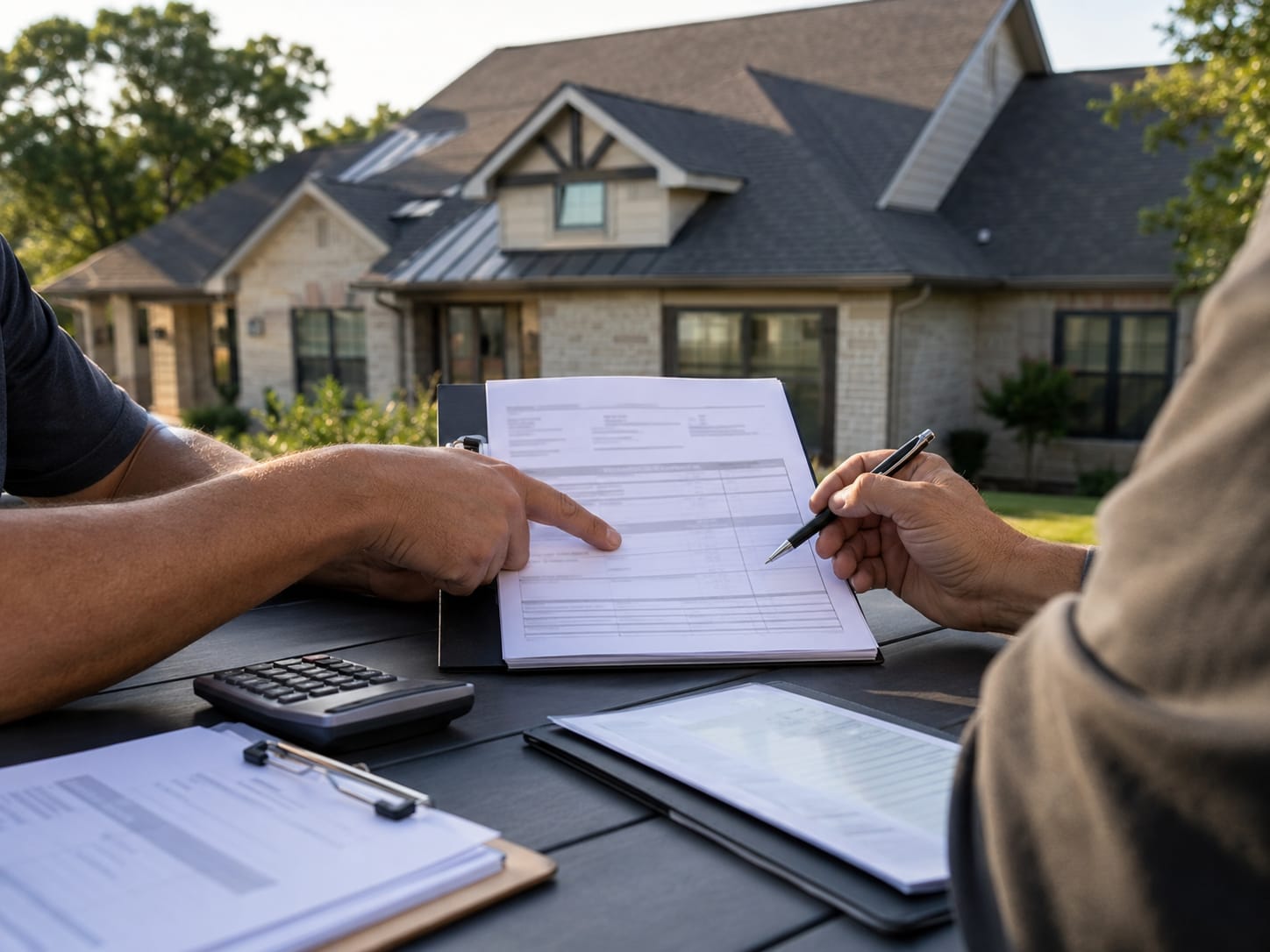
Comparing roofing estimates isn’t just about the final number.
Before accepting a proposal, ask these questions:
- Which roofing material is being installed?
- Is complete tear-off included?
- Will flashing be replaced?
- What happens if damaged decking is discovered?
- Does the quote include ventilation improvements if needed?
- Are permits included?
- How will my property be protected during installation?
- Is cleanup included?
- What warranties are provided?
- Are there any circumstances that could increase the project price?
The answers to these questions often reveal more about the contractor than the total price itself.
If you’re comparing multiple proposals, our Compare Roof Quotes page can help you evaluate them side by side.
Red Flags to Watch For
Most roofing contractors are honest professionals, but homeowners should still be cautious if a proposal includes warning signs such as:
- A price that seems dramatically lower than every other estimate
- Very little written detail
- No product manufacturer listed
- Missing warranty information
- Large upfront payment requests
- Pressure to sign immediately
- Vague language such as “roof replacement” without describing the complete scope of work
A professional proposal should leave you with fewer questions—not more.
The Texas Department of Insurance also encourages homeowners to verify contractor credentials and carefully review contracts before work begins.
Why Ironhouse Roofing Takes a Different Approach
At Ironhouse Roofing, we believe homeowners should understand exactly what they’re paying for before committing to a roof replacement.
Our process focuses on transparency from the very beginning.
That means:
- Clear written proposals
- Transparent pricing
- Professional roof measurements
- Honest recommendations
- No high-pressure sales presentations
- Residential roofing specialists
- Online roof quote options
- Experienced installation teams
Whether you’re considering architectural asphalt shingles or standing seam metal roofing, we’ll explain your options clearly so you can make the decision that’s right for your home.
If storm damage is part of your project, our Insurance Claim & Metal Roof Upgrade page explains how homeowners compare replacement options after an insurance claim.
Frequently Asked Questions
Why do roofing quotes vary so much?
Roofing estimates often differ because contractors may use different materials, include different installation components, or leave out items such as flashing, ventilation, cleanup, or decking repairs. Always compare the complete scope of work, not just the final price.
Should flashing be replaced during a roof replacement?
In many cases, replacing worn or damaged flashing is recommended to help maintain a watertight roofing system. Your contractor should explain what will be replaced and why.
Is roof decking included in every estimate?
Not always. Because decking cannot usually be fully inspected until the existing roof is removed, many contractors list decking replacement as an additional item if damage is discovered.
Does every roof replacement include ventilation upgrades?
Not necessarily. Your contractor should inspect the existing attic ventilation and recommend improvements only when they’re needed to support the performance of the new roof.
Should I choose the cheapest roofing quote?
Not automatically. A lower price may simply reflect fewer materials, fewer services, or omitted work. Review the complete proposal carefully before making your decision.
Can I compare asphalt and metal roofing in the same estimate?
Yes. Many homeowners request pricing for both systems before making a final decision. Ironhouse Roofing can help you compare metal roof replacement and asphalt roofing options based on your home’s needs and long-term goals.
Make Your Roofing Decision with Confidence
A roof replacement is a significant investment, and choosing the right contractor involves much more than comparing prices.
A detailed proposal should explain the roofing materials, installation process, ventilation, flashing, warranties, cleanup, and any potential additional costs. When every contractor provides a different level of detail, taking the time to compare the complete scope of work can help you avoid unexpected surprises and make a more informed decision.
At Ironhouse Roofing, we believe transparency builds trust. Our written proposals are designed to clearly explain what’s included, answer your questions, and help you compare your options with confidence—without pressure or hidden costs.
Whether you’re replacing an aging roof, recovering from storm damage, or deciding between asphalt shingles and standing seam metal roofing, we’re here to provide straightforward advice and professional installation.
Ready to compare roofing estimates?
Start with an online roof quote, explore our Compare Roof Quotes guide, or contact Ironhouse Roofing to discuss your roof replacement project with our team.